

Step 1
Start by telling us what you think
We’d love to hear what you think is needed to strengthen decision making. Your ideas will help inform the next steps in our campaign.
Share your thoughtsMore Voices · Decision making that works for everyone
When we take part in decisions—not just at election time, but throughout public life—we help build fairer systems, stronger communities and better protection for human rights.

How you fit in
You should be able to meaningfully influence the decisions that shape your everyday life.
More Voices is a long-term campaign to strengthen how central and local government make decisions, so you and more people from across our diverse communities can participate, deliberate and be heard.
The campaign is grounded in Te Tiriti o Waitangi, which provides the just foundation for sharing decision making and building relationships in our society.
At its heart is a simple idea: you should be able to take part in the decisions that shape your life—not only once every three years, but every day, in workplaces, schools, community halls and all forms of public life.
That’s why we’re standing up for the human right to participate.
Take action
Step 1
We’d love to hear what you think is needed to strengthen decision making. Your ideas will help inform the next steps in our campaign.
Share your thoughtsVoting and elections
The 2026 General Election was held on Saturday 7 November 2026. Thank you to everyone who voted and talked about what matters to them.
To enrol, check or update your details, or see the election results, visit vote.nz.
You have the right to have your say and to be heard.

Voting is one way you can help build a fair and just society, learn about issues affecting your community, and hold political leaders accountable for their decisions.
In Aotearoa, fewer young people have been turning up to vote. The barriers are real: limited civics education can leave people unsure how decisions are made or how to influence them; cost-of-living pressures can leave little time or energy for civic life; and deeper questions remain about tino rangatiratanga and how our political system can reflect genuine partnership between the Crown and hapū Māori under Te Tiriti o Waitangi.
Universal Declaration of Human Rights
Everyone has the right to take part in government, directly or through freely chosen representatives—and the will of the people must be expressed through genuine, equal elections.
ICCPR · Article 25
Protects not only your right to vote, but your right to take part in public affairs on an ongoing basis—before and after election day.
Women in Aotearoa fought hard for the right to vote because they knew it was a powerful way to have their views heard.
Talk with your family and friends, enrol, vote and keep participating—because more voices lead to better political decision making for everyone.
You’re not alone in wanting more people to have a say. Across the motu, organisations and community groups are helping people enrol, vote and take part in decisions. These links can help you find practical ways to join in.
* Amnesty International Aotearoa New Zealand is a non-partisan organisation meaning we won’t promote who to vote for, we just want you to exercise your right to vote!
Step 2 · Resources
You can help put human rights and the issues you care about on the agenda. Meeting decision makers face to face is one of the most effective ways to make sure they hear directly from you.
We have two downloadable resources to help you prepare, engage with decision makers and influence change.
Long table conversations
UpcomingThanks for pulling up a seat
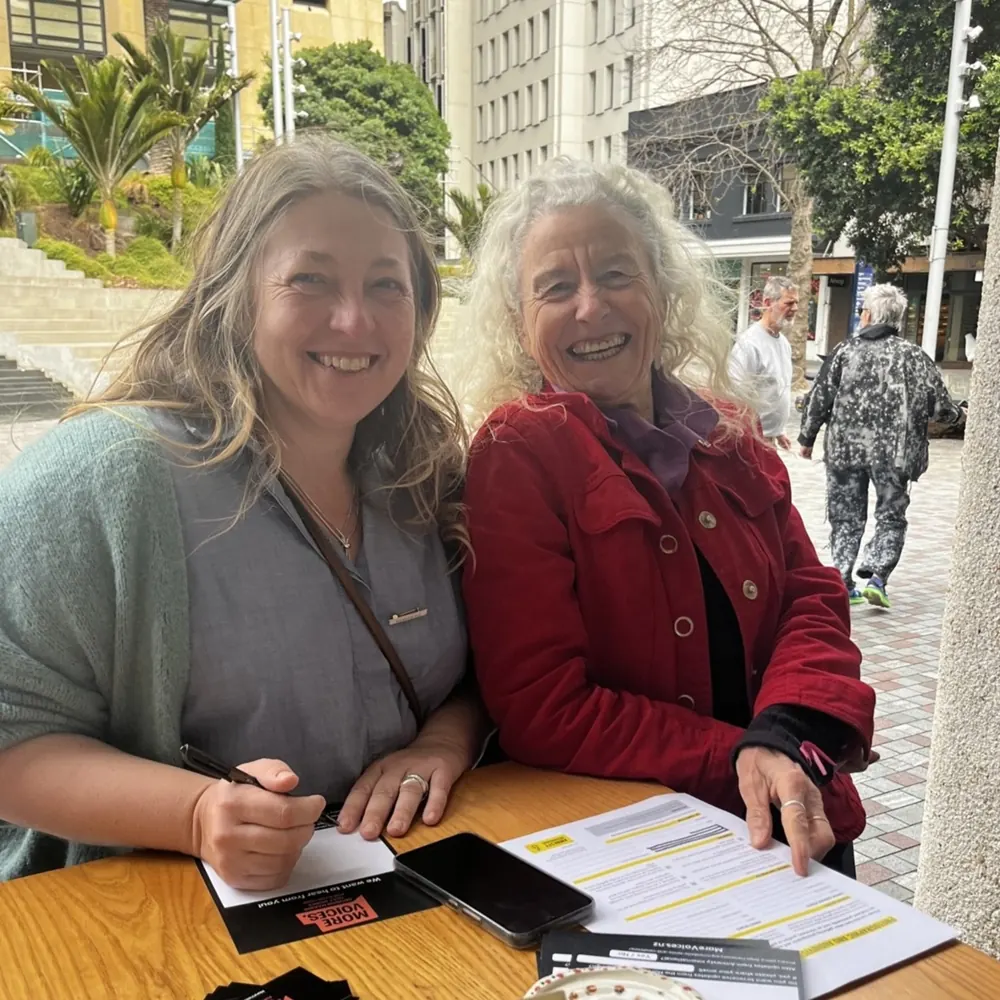
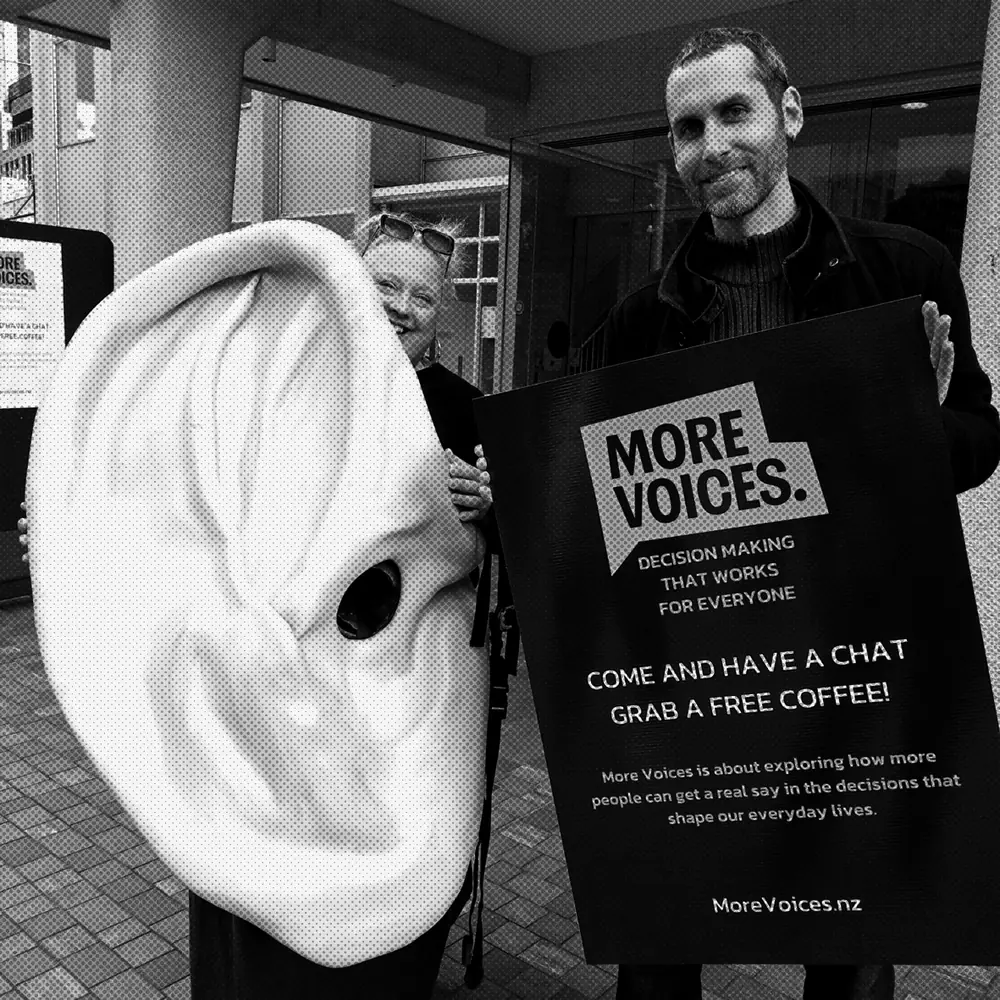
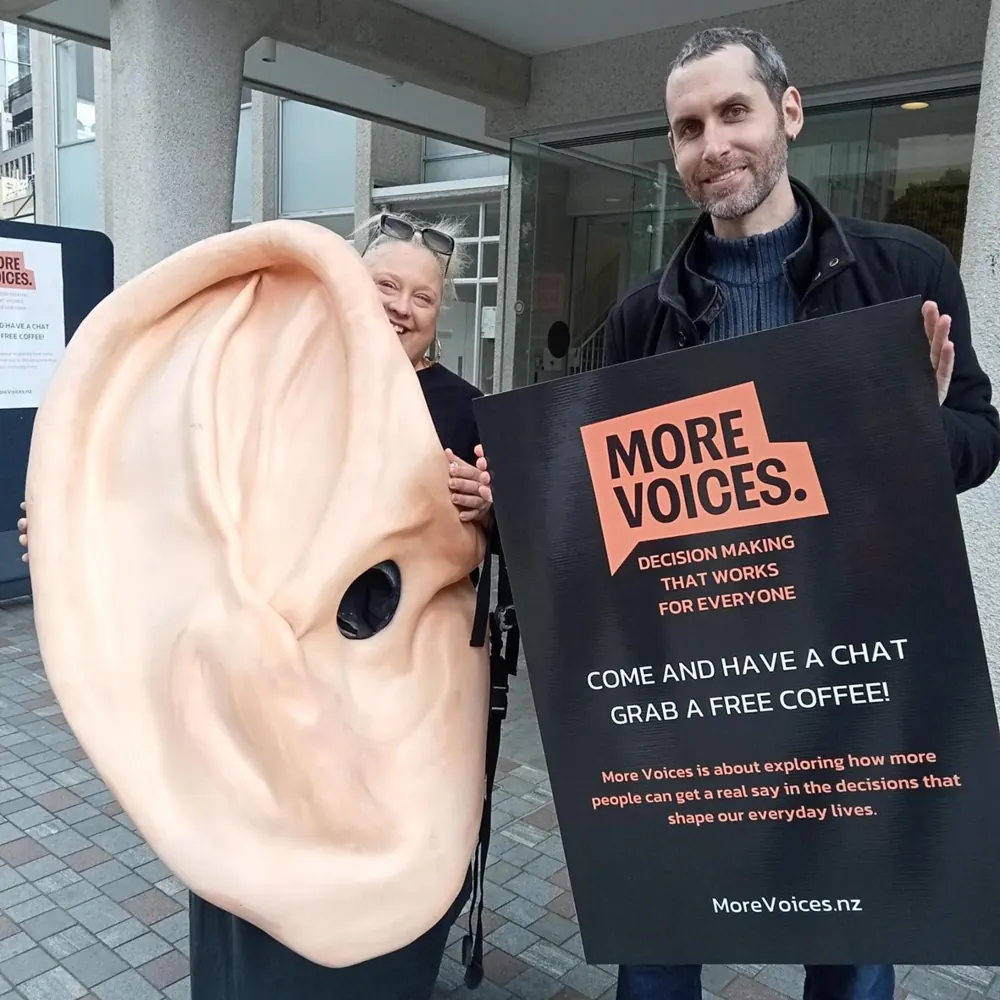
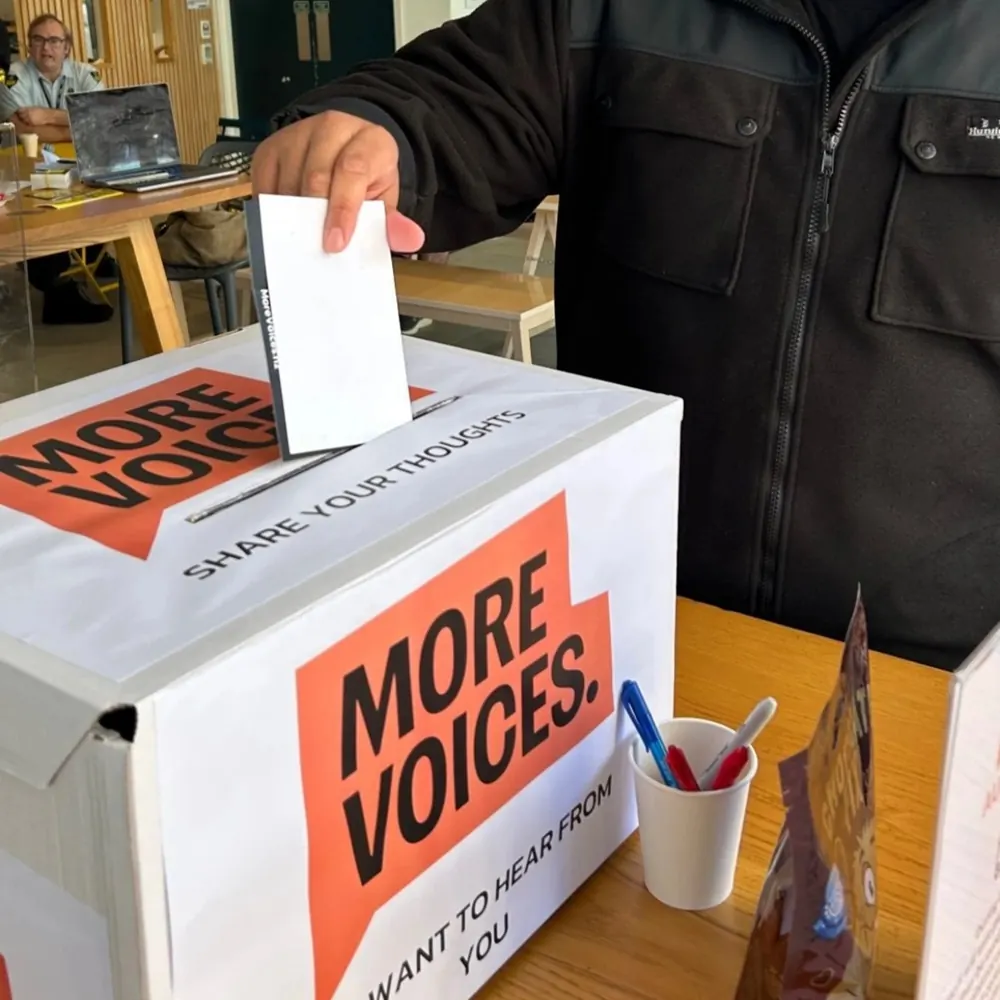
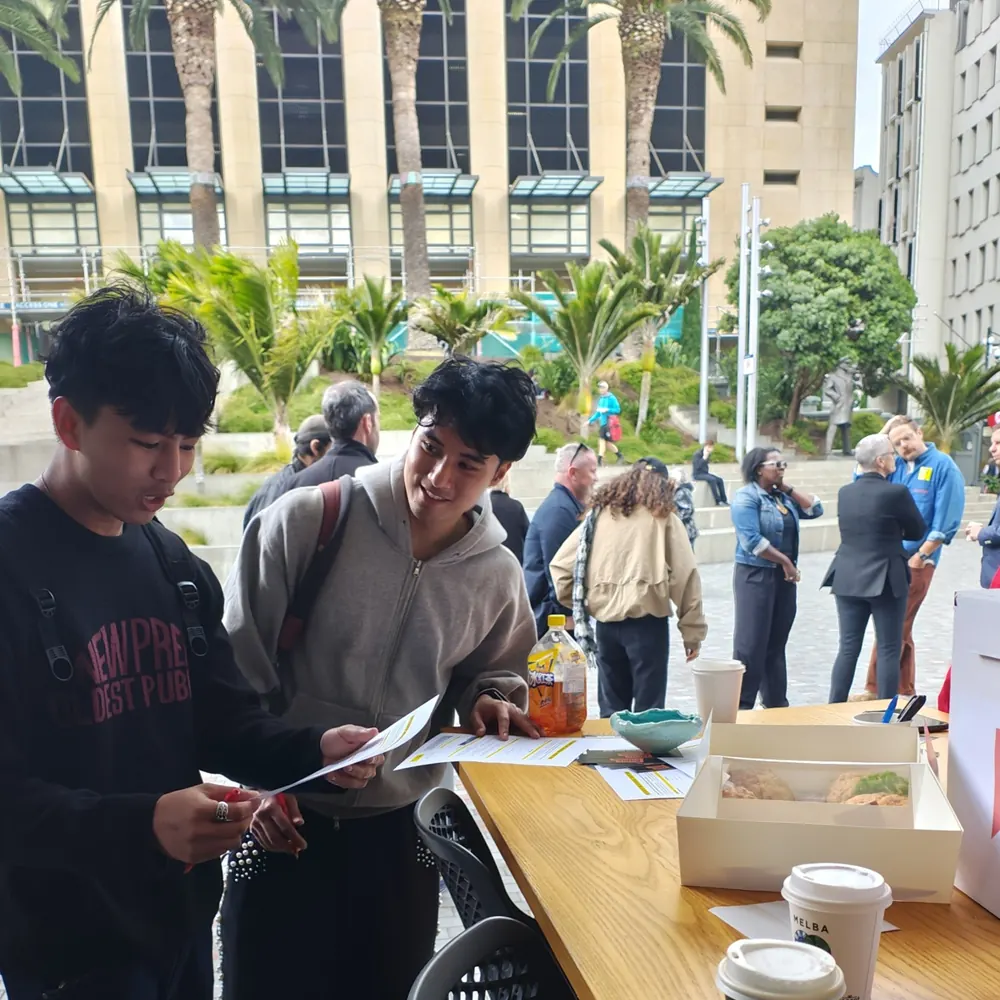
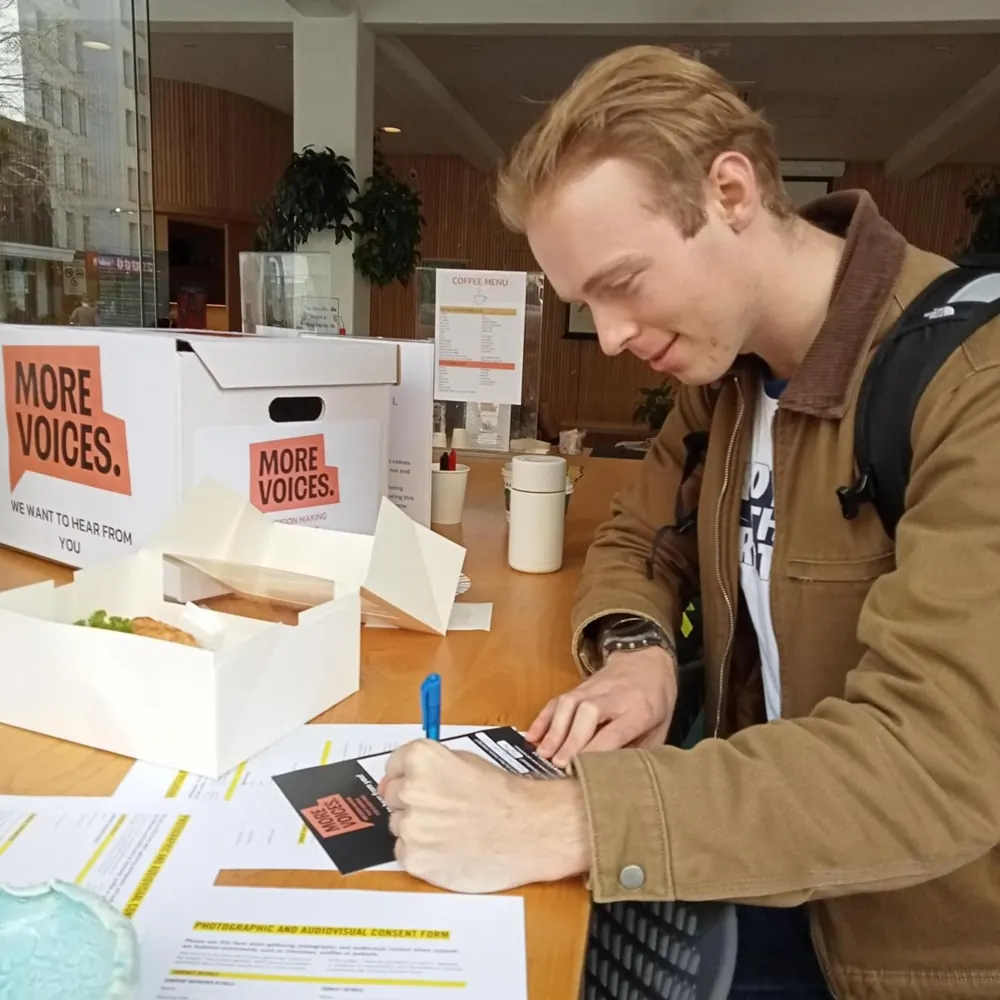
Pull up a seat at our first long table conversation. Join us for a free coffee and an open discussion about what needs to change so everyone can have a real say in the decisions that affect them. No booking required.
Join the conversationMissed it? Share your thoughtsUpcomingThanks for pulling up a seat
Pull up a seat at our first long table conversation in the capital! Join us for a free coffee and an open discussion about what needs to change so everyone can have a real say in the decisions that affect them. No booking required.
Join the conversationMissed it? Share your thoughts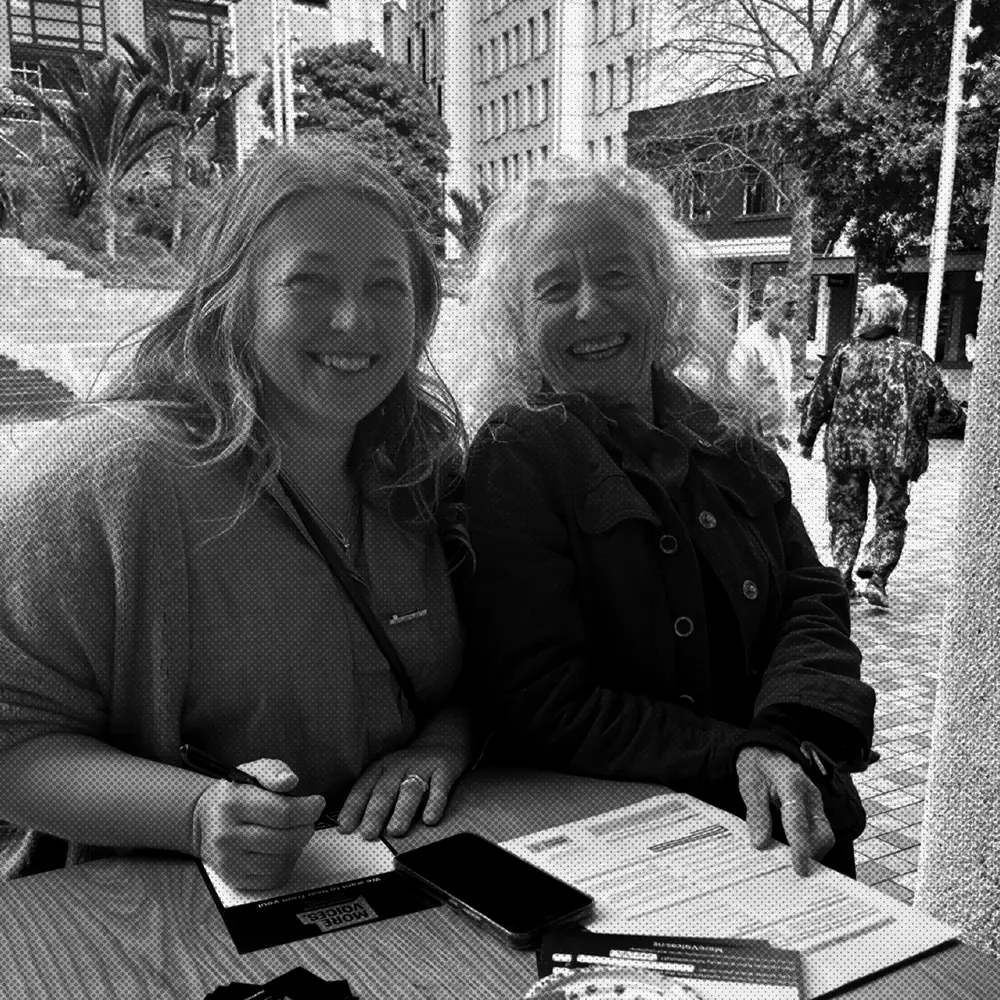
For more information, reach out to us at info@amnesty.org.nz
Ideas so far
The type of change could be anything, big or small. Some thoughts we’ve heard include:
More Voices is about making it easier for you—and for people from all parts of society—to help shape decisions made by central and local government. It calls for decision making that includes more diverse voices, gives people time to consider issues together, and allows communities to have genuine influence.
The campaign is grounded in Te Tiriti o Waitangi, which provides the just foundation for sharing decision making, honouring tino rangatiratanga and building relationships in our society.
For you, that means having meaningful ways to take part in the decisions that shape your life—not just once every three years, but every day in workplaces, schools, community halls and every part of public life.
You can help shape the answer. More Voices is a long-term campaign, and its first stage is about listening: raising awareness and hearing from as many people as possible about what would strengthen decision making in local and central government. What we hear will inform the campaign’s future calls for change.
You might meet us at a “long table” in a public place, where anyone passing by can sit down and talk about the change they want to see. We’re also visiting community groups across the motu so people can share their experiences and ideas in places that work for them.
The type of change could be anything, big or small — see some of the thoughts we’ve heard so far.
You have a human right to participate in public affairs. That matters because the way decisions are made affects whether many other rights—such as housing, health, education and social protection—are respected and upheld.
When decision-making systems exclude people or limit their influence, harmful decisions can continue across successive governments and human rights can be overlooked or violated.
By improving how decisions are made—and making sure people can genuinely take part—we can better protect a broad range of human rights.
When you and others can make a meaningful contribution, decisions draw on more knowledge and experience. The result can be better-informed choices, stronger communities, and a greater sense of belonging and connection.
That helps create a stable, well-functioning society in which everyone has a place and a voice.
But across decades and successive governments, too many people have not had that experience.
Our political system is problematic in many ways, critically the ongoing failure to properly uphold Te Tiriti o Waitangi and tino rangatiratanga.
We are seeing the same serious human rights issues face many people, decade after decade. We are seeing critical issues, whether it be about infrastructure or health, continue.
Our political system concentrates power in the hands of a few, meaning deep insights and expertise of people most impacted often have limited input. This can leave people feeling powerless and unable to have any meaningful influence or say over the issues that matter to them.
This is especially so in the policy making process – it’s largely top down, with upward accountability. Consultation opportunities are limited, often feeling token or with very limited ability to actually influence (e.g. the decision has already been made).
There is concern that current decision-making processes give some people more influence than others, leave many feeling excluded from decision making, and offer few opportunities for meaningful discussion of policy issues.
We can change this. It starts with better decision-making systems.
No. Amnesty International Aotearoa New Zealand is non-partisan. We do not support or oppose any party or politician. We want you and more people to be heard before decisions are made, because participation is a human right.
Voting is an expression of civic and political human rights and has a direct impact on economic, social and cultural rights because the political leaders who are voted in can make decisions about, for example, people’s rights to housing, education and social welfare.
Choosing who to vote for can also be a good way to learn about issues affecting your community and is a way to hold political leaders to account.
Taking part—by voting, making a submission or joining a public conversation—will not fix deeper problems overnight. But your participation can put important issues on the agenda, challenge harmful policies and help prevent further disengagement. It is one practical way to use your voice while working for wider system change.
Remember the Toi Tū Te Tiriti hikoi? Thousands of people turned up to have their say and stop the Treaty Principles Bill. This powerful demonstration stopped that Bill becoming law! Voting is yet another way you can have your say about what you care about and who you want to be making decisions on behalf of communities.
To get in touch please email info@amnesty.org.nz